
In many places where MAF serves, death is an intrinsic and open part of community life, and MAF pilots and ground staff often lend support to local families and communities in times of grief.
Story by Janne Rytkönen
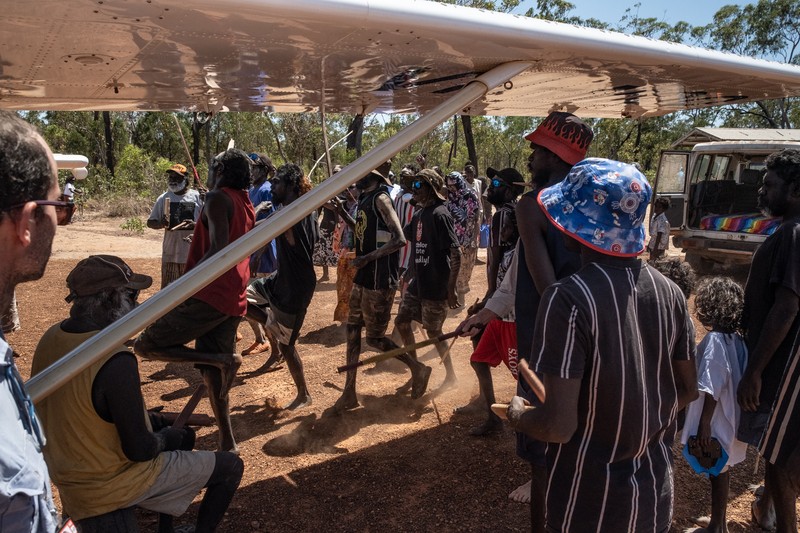
On Elcho Island, Arnhem Land, a black Hiace van crawls along a dusty road to the airport, surrounded by dancing heat shimmers and mourners wailing to the insistent rhythm of clapsticks.
At airside, the van reverses to a waiting MAF aircraft, where family members ease a flower-strewn coffin out of the vehicle and into the aircraft for a final homeland journey.
“MAF’s tagline is ‘flying for life,’ and flying for life means flying for all stages of life,” says Senior Standards Captain David Pett.
“I’ve had the joy of bringing the newborn to the community. I’ve seen them grow, but I’ve also seen people get sick.
“I’ve taken clinic staff out to assist them, and sometimes that person passes away and we’re there for when that happens.
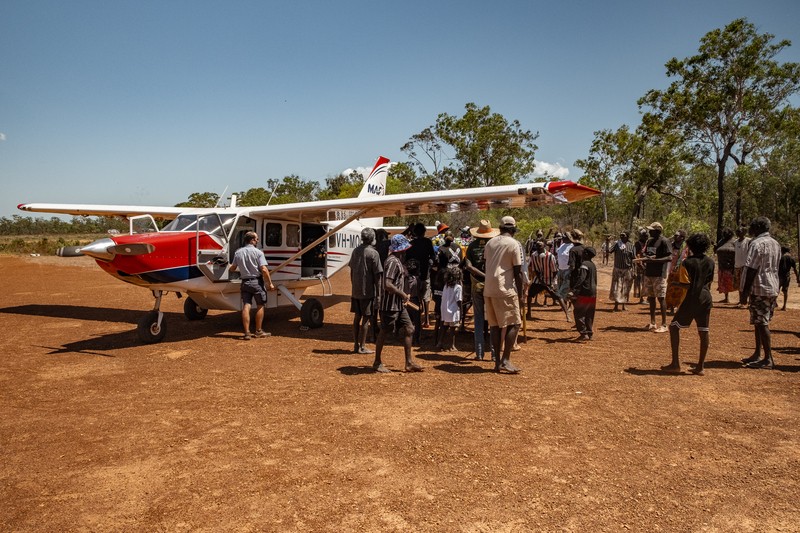
“To us, that has always been a priority, to stand with them in those moments, to support them, and one of the things that really empowers people is to have the choice of location where they can pass away, and also where they can return to be buried.”
David and Jen and their children were stationed on Elcho Island, Arnhem Land, for eight years, from 2006 to 2014, where David served as an MAF pilot and base manager.
His time in Arnhem Land taught David to appreciate the deep significance of the body charter flights.
“We don’t necessarily understand all that is going on, and the subtleties and the complexities of what they are managing at those times, but we do know that it’s important to them.
“And we’re giving a dignity to people in what is a very hard time. Just as we grieve, they grieve. It may look different, it may sound different, but the pain is just as keenly felt, and MAF is able to stand there with them and offer this service.”
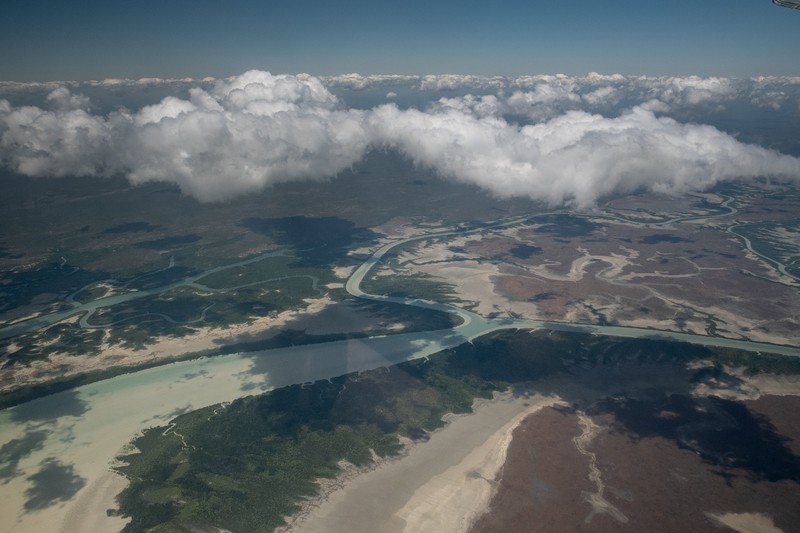
Today’s flight takes the body of a loved one from Elcho Island to Mapuru, a small community on the mainland that’s accessible only by four-wheel-drive when the dirt tracks are not inundated during the wet season – or by aeroplane. Transporting the body and family members via boat and vehicle was not a viable option, so the MAF flight provides an important service in an isolated region with no sealed roads.
Arnhem Land MAF pilot Simon Zingg views coffin charter flights as a time to encourage and bless Yolŋu families in their grief.
“For the Yolŋu people, these charters are very important because that’s such a big part of their culture,” said Simon.
“For me, it is a great privilege that we can be part of this important time in Yolŋu life.
“We can support the Yolŋu to live their culture, but also, as Christians, we can pray with people.
“They’re always open for prayer, so we pray with them, and it’s such a special occasion for us to share with them.”